Hormones & Skin Changes
SUPPORTING YOUR SKIN THROUGH PERIMENOPAUSE.

If your skin suddenly feels different, you’re not imagining it.
Perimenopause is the natural transition leading up to menopause, and for many women, it can begin as early as their late 30s or early 40s—sometimes even sooner. During this time, hormone levels, particularly estrogen and progesterone, begin to fluctuate unpredictably. These changes affect far more than your menstrual cycle; they influence nearly every system in your body.
The challenge is that many women don’t realize they’re in perimenopause because the symptoms often appear gradually and don’t always fit the stereotypical image of menopause.
Common Symptoms of Perimenopause
Every woman’s experience is unique, but some of the most common changes include:
- Irregular or changing menstrual cycles
- Hot flashes and night sweats
- Mood swings, anxiety, or increased irritability
- Brain fog and difficulty concentrating
- Fatigue or low energy
- Trouble sleeping
- Weight changes, particularly around the abdomen
- Reduced muscle mass
- Joint aches
- Vaginal dryness or discomfort
- Decreased libido
- Hair thinning or increased hair shedding
- Changes in skin health
While these symptoms can be frustrating, they’re often a reflection of changing hormone levels—not something you’re “doing wrong.”
Why Does Your Skin Change During Perimenopause?
Your skin is one of the first places hormonal changes become visible. Estrogen plays an essential role in maintaining healthy skin. It stimulates collagen production, supports elastin, helps your skin retain moisture, and strengthens the skin barrier. As estrogen begins to decline during perimenopause, these protective effects gradually decrease.
As estrogen levels fluctuate and gradually decline, many women begin to notice visible changes in their skin. It may suddenly feel drier, more dehydrated, or increasingly sensitive, even if it has never been that way before. Fine lines can become more noticeable as collagen production slows, while the skin gradually loses firmness and elasticity. Many women also experience a dull or tired-looking complexion, slower wound healing, and an increase in pigmentation or sun damage that may have previously gone unnoticed. For some, hormonal fluctuations can even trigger adult acne or unexpected breakouts. These changes are completely normal and are a direct reflection of the important role estrogen plays in maintaining healthy, resilient skin.
In fact, research suggests women lose approximately 30% of their skin's collagen during the first five years after menopause, with gradual collagen loss continuing each year afterward. While this process is completely natural, there are ways to support your skin throughout the transition.
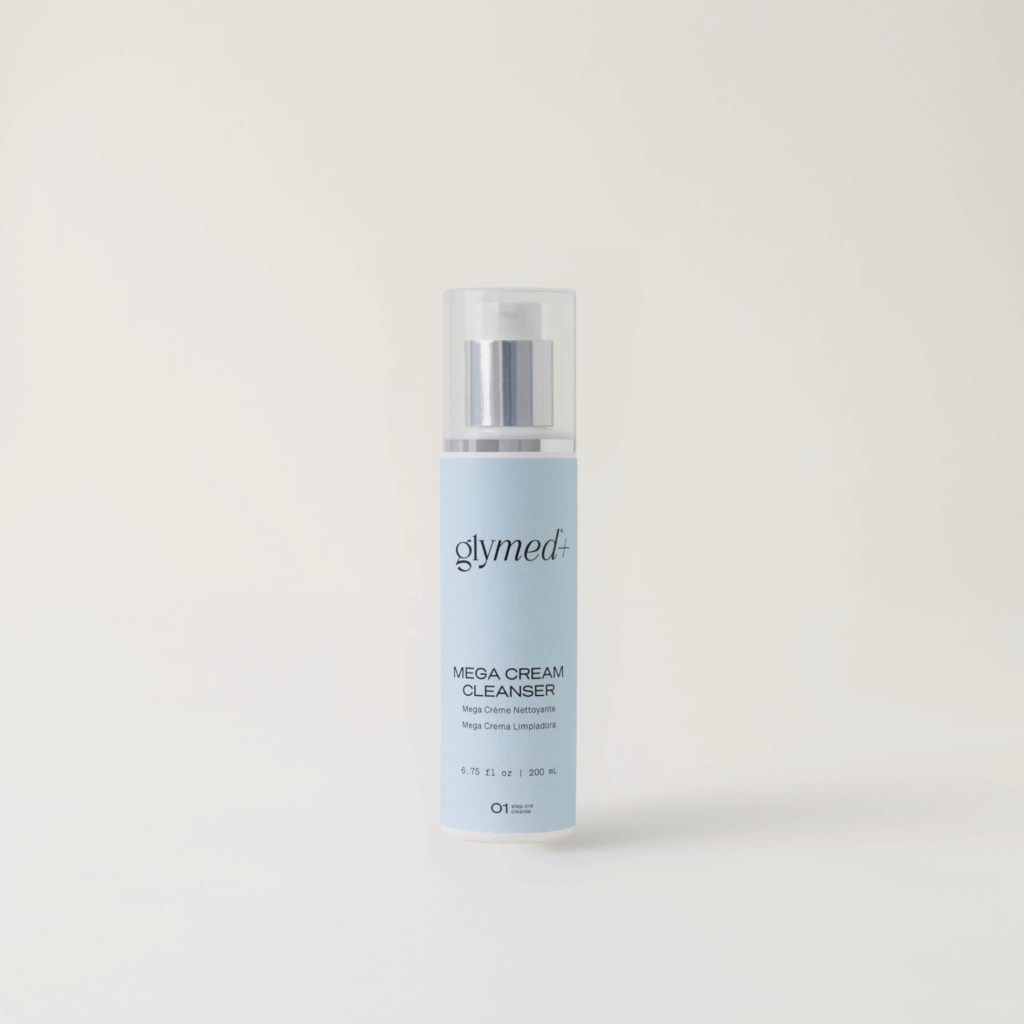
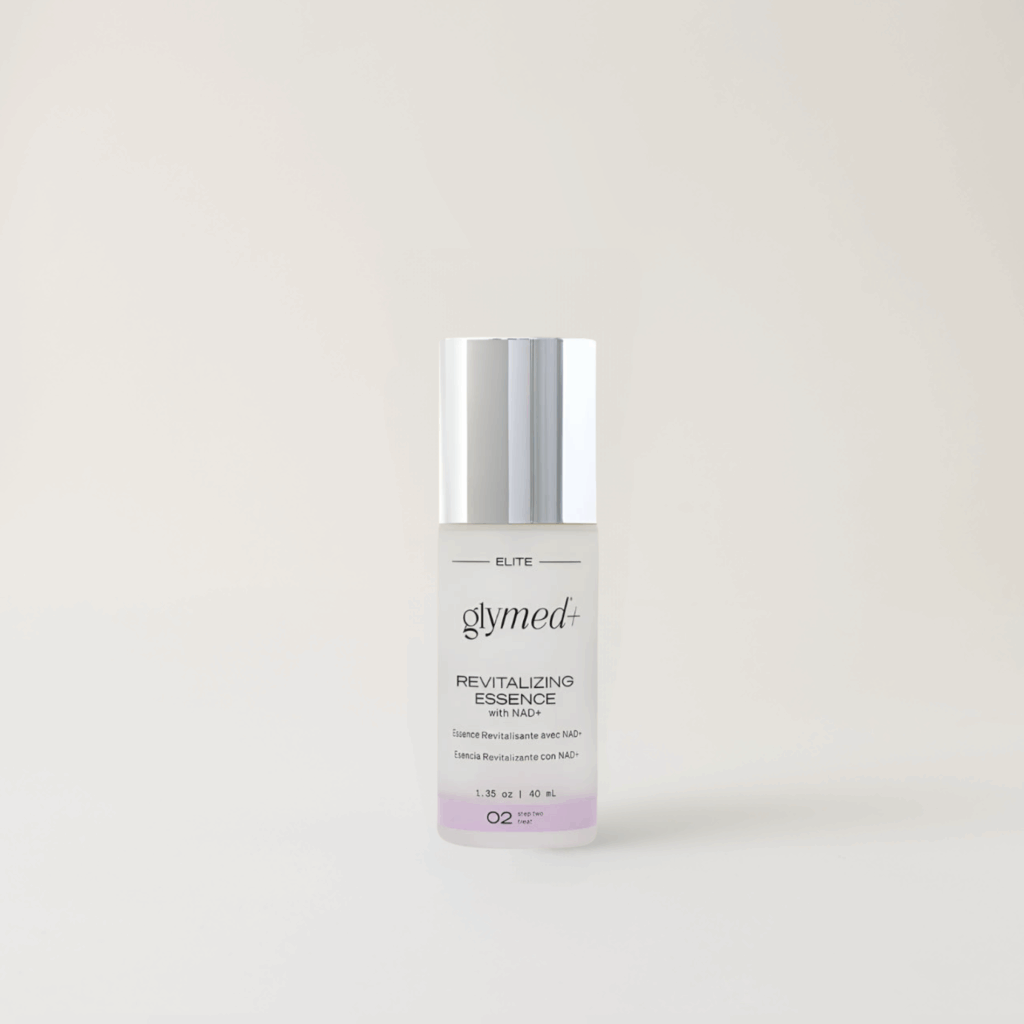
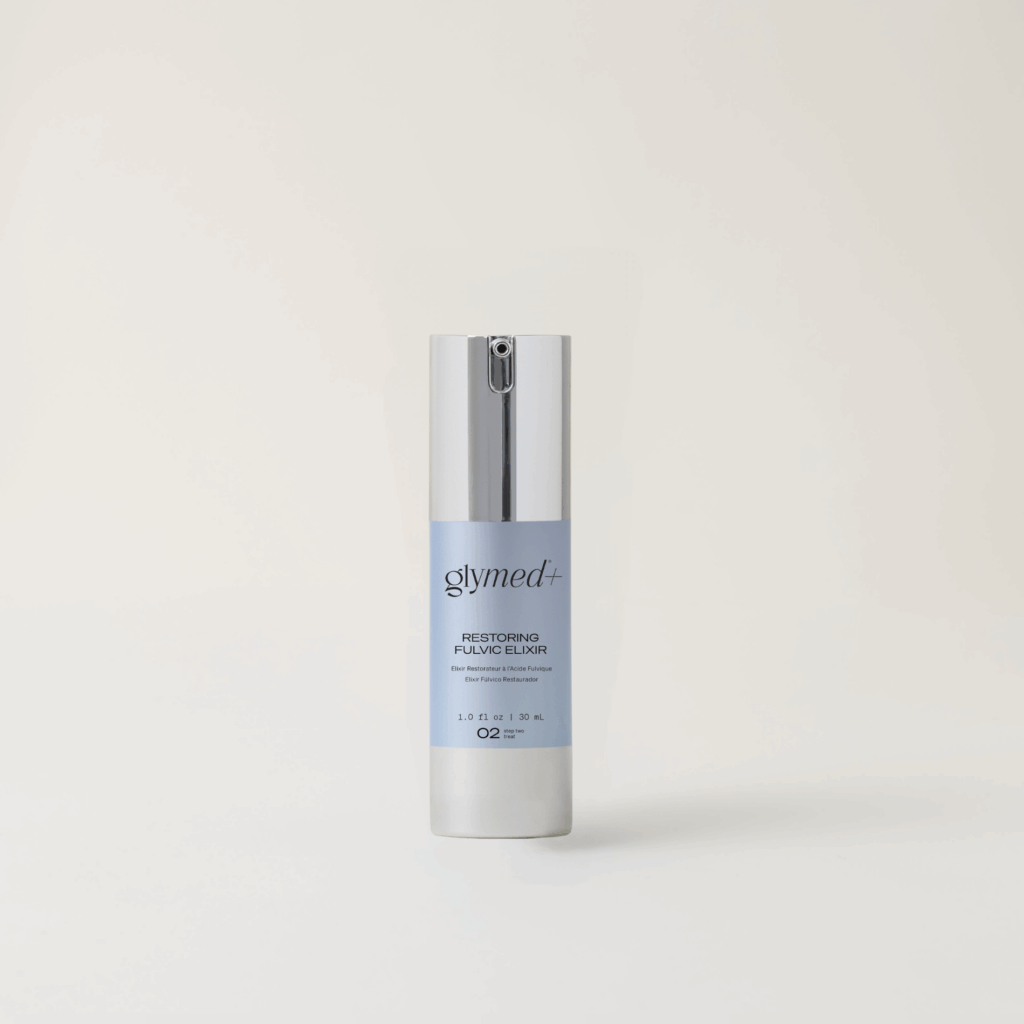
your new favourite glymed lineup
Our top Glymed+ products that help support skin through perimenopause.
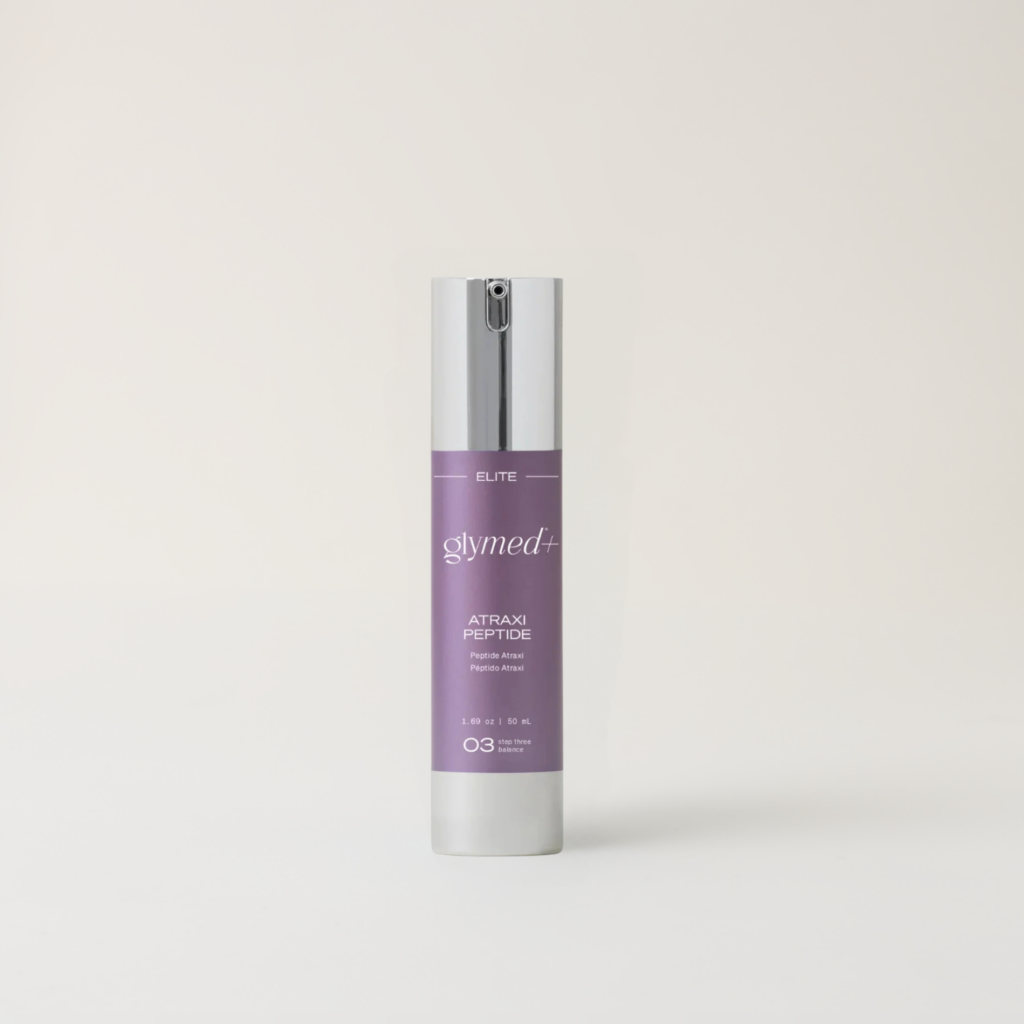
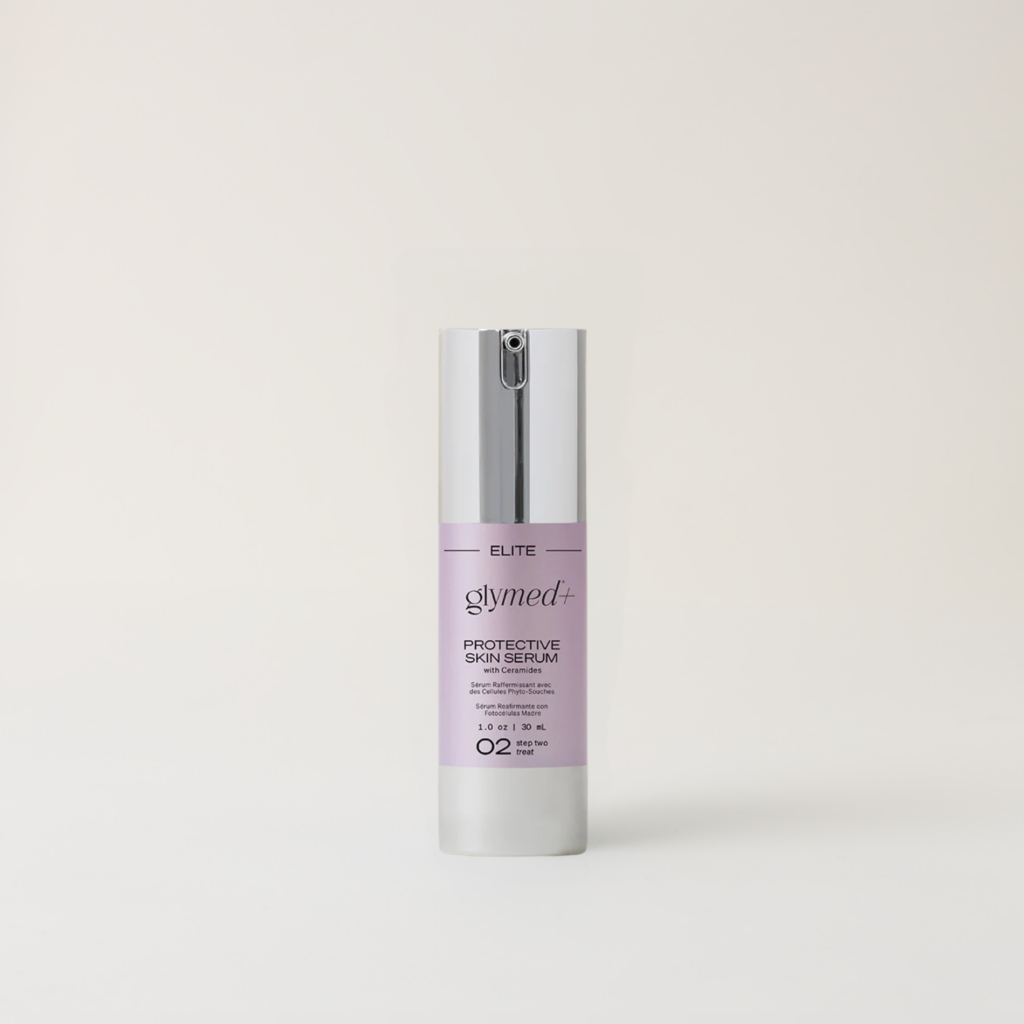
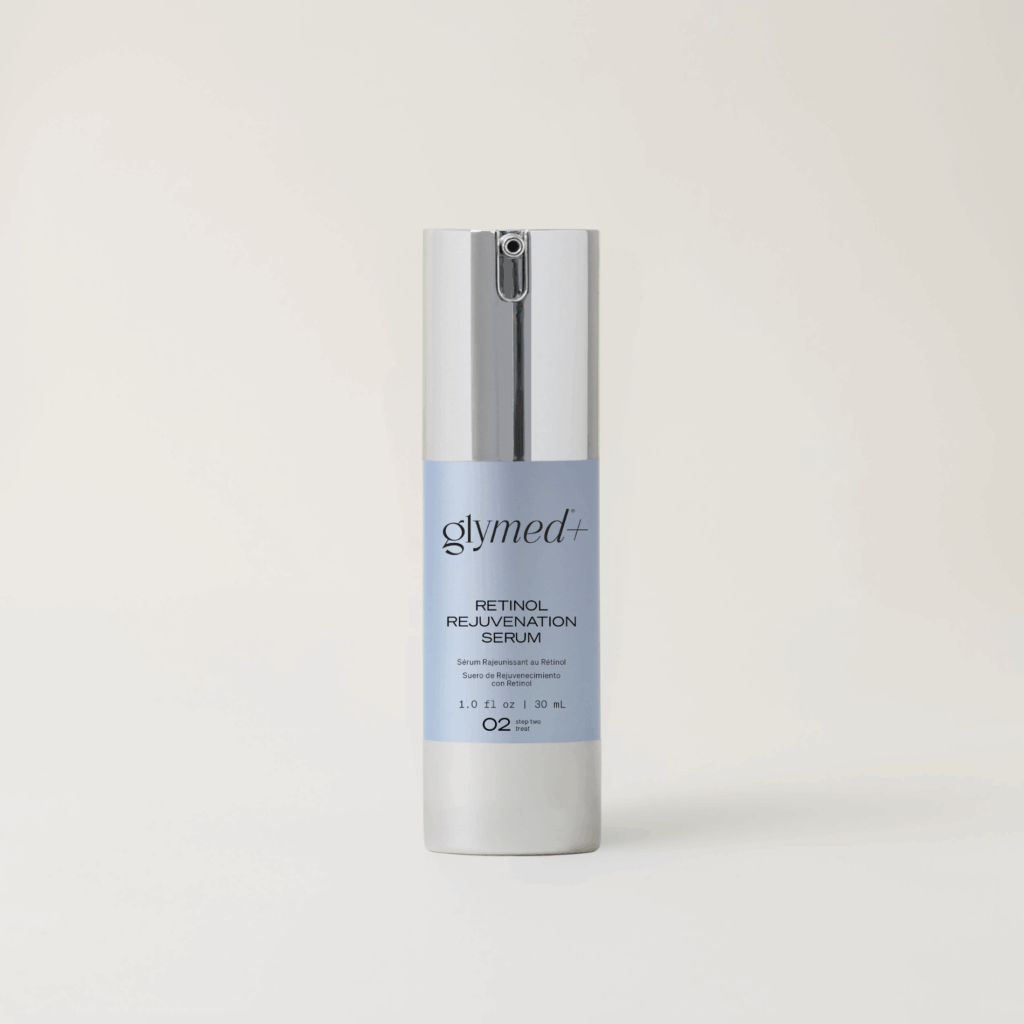
Protect • Prevent • Preserve • Repeat